
Reimagining Molecular Discovery With an Agentic AI-First Engine
Vecura, our Al-first compound discovery engine, is an agentic AI platform for molecular discovery and life science research. By unifying proprietary AI models, curated natural datasets, and scientific workflows into a single connected environment, we reduce the time to identify hit compounds by up to 68.2%.
Mapping Nature, Modeling Precision
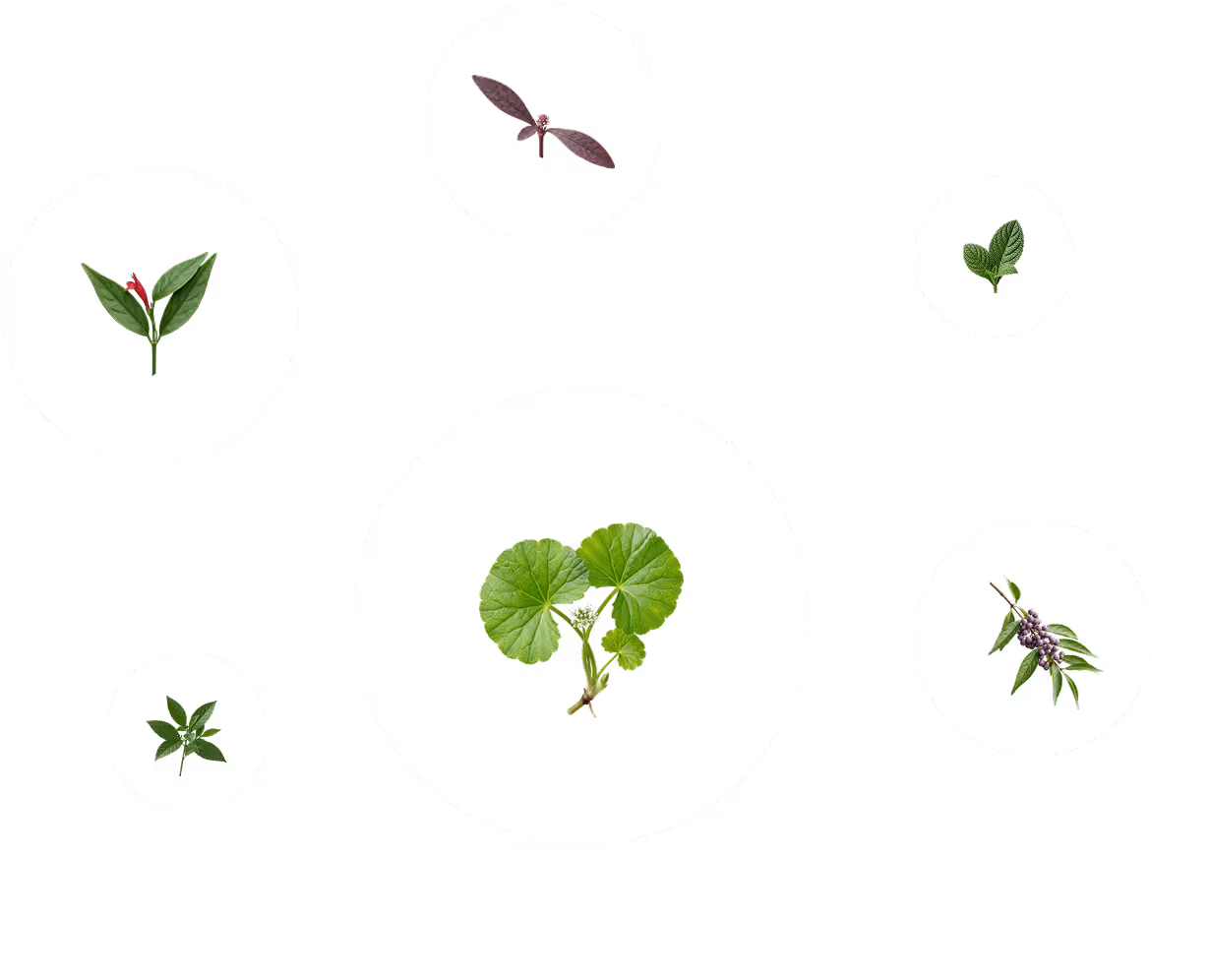

Access to 1.5+ Million Natural Compounds
Our proprietary Vecurate library is the foundation of NYB’s discovery platform and one of the world’s largest proprietary natural compound collections. It provides AI model-ready access to over 1.5 million compounds from over 50,000 underexplored species.
Explore Library
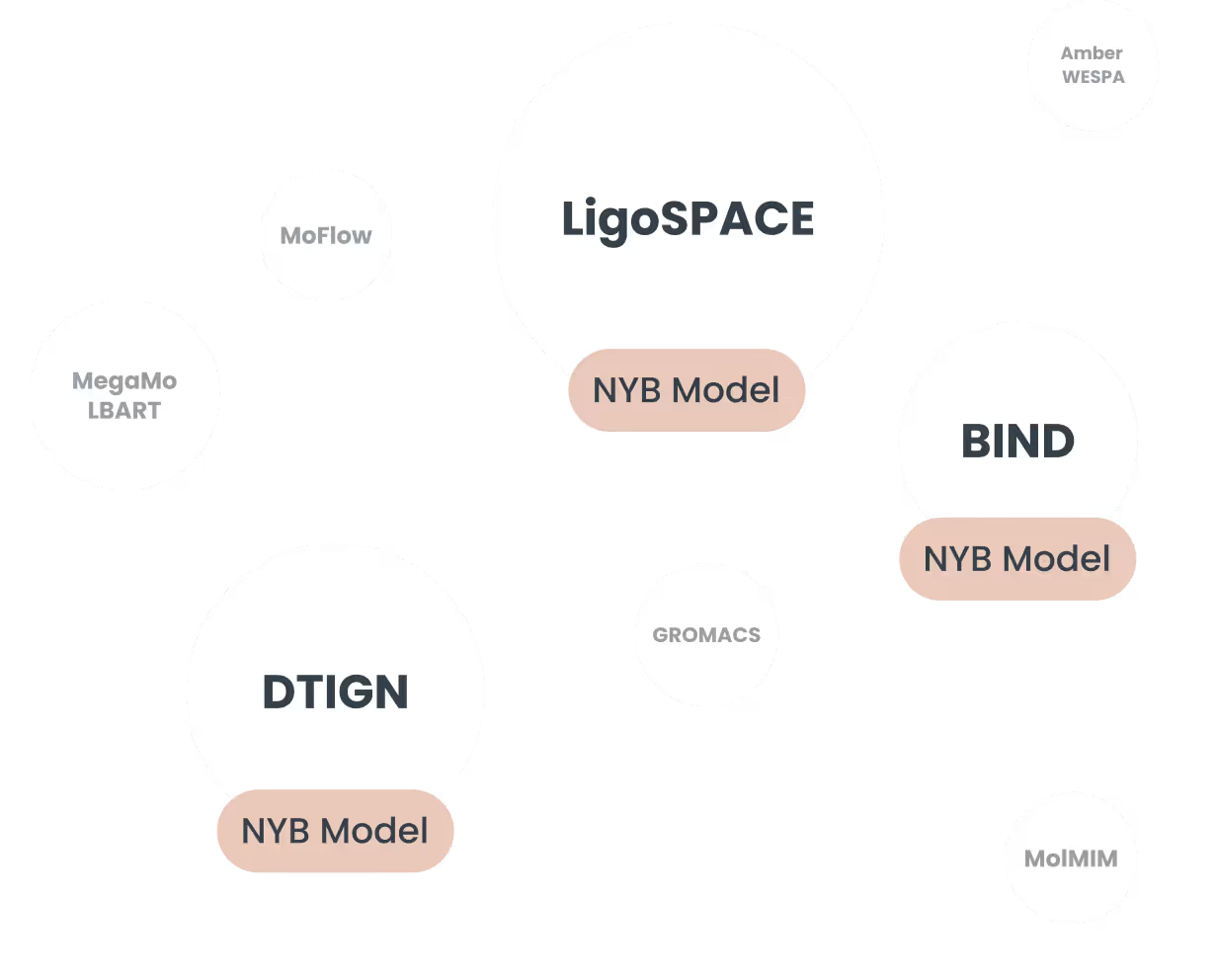

The power of 200+ predictive models
We deploy a massive continuum of over 200 AI models, including our proprietary models: Drug-Target Interaction Graph Network (DTIGN), Ligand-Protein Space Mapping (LigoSPACE), and Binding Affinity and Interaction Network Design (BIND).
Explore ModelsThe Vecura Stack
Five Phases of Precision


Phase 1
Target Identification
- Consolidate Structural Data: Integrate functional and biological data to create a precise digital blueprint of the target.
- Map Residue-Level Features: Identify specific biological markers to understand how the target functions.
- Construct Binding Pockets: Define the exact physical locations where a drug molecule can interact with the protein.

Phase 2
Hit Identification
- Execute Structure-Based Screening: Use a rigorous structure based pipeline to identify initial candidates based on physical fit.
- Predict Pose and Compatibility: Utilize tools like DiffDock and EquiBind to model how ligands sit within the target pocket.

Phase 3
Lead Optimization
- Perform Optimization Loops: Refine ligand structures iteratively to maximize stability within the binding pocket.
- Systematic Enhancement: Focus on improving binding affinity and interaction networks rather than searching for new hits.
Phase 4
Preclinical Validation Design
- Develop Wet-Lab Validation Plans: Translate digital findings into concrete experimental protocols and assay systems.
- Verify Binding Modes: Use key readouts to ensure the drug interacts with the target as predicted in silico.
- Prioritize by Tractability: Rank candidates based on how easily and effectively they can be tested in a laboratory setting.
- Define Control Strategies: Establish rigorous benchmarks to confirm specificity and eliminate experimental artifacts.

Phase 5
Translational Readiness
- Computational Stress-Testing: Integrate molecular dynamics, including GROMACS and Amber WESPA, to validate toxicity profiles and stability. This rigorous computational testing ensures every lead is optimized for downstream decision-making and ready for the move to wet-lab science.
- Analyze Clinical Potential: Determine the feasibility of the compound for human health applications.
- Review Intellectual Property: Ensure the discovery is protected and commercially viable for real-world application.

Applicable Throughout all Phases:
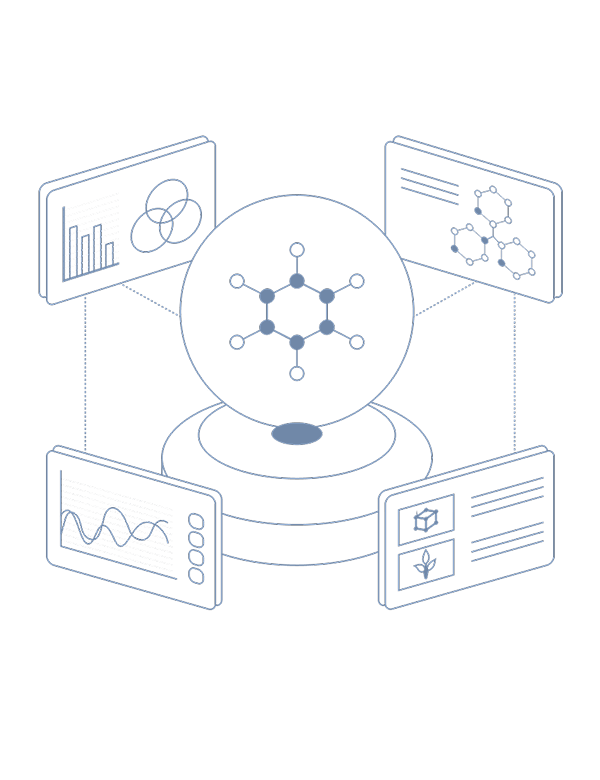
- Agentic Workflow & Reporting: Autonomous workflow execution, interactive dashboards and auditable reporting for decision making.
- Model Interaction Likelihood: Deploy over 200 AI models, including our proprietary models DTIGN (interaction probability), LigoSPACE and BIND (geometry) to validate candidates.
- Iterative Scoring: Use over 200 AI models, including our proprietary models DTIGN, LigoSPACE and BIND to evaluate every structural adjustment.
Project X Case Study
From 700,000 Compounds to Market-Ready Leads
The Challenge:
A global consumer health leader required plant-derived solutions for mental wellness (focus and stress).
The Execution:
The NYB.AI team deployed the Vecura platform to screen over 700,000 natural molecules from Southeast Asian ecosystems. Using our advanced drug-target Interaction graph neural networks, we bridged the gap between biodiversity and biotechnology. Since then, our natural compound library has grown to over 1.5 million compounds.
The Outcome:
The library contained 7× more compounds relevant to the mental wellness targets than what is commonly known to academia and industry.
Precision Targeting
Identified 3,500 bioactive,
low-toxicity compounds.
Broad Efficacy
Validated activity across 156 neuromodulatory receptors.
Holistic Impact
Optimized for pathways governing mood, cognition, and neuroplasticity (including Serotonin, Dopamine, Glutamate, and GABA).



Beyond Industry Standards
Go Faster
1 month
NYB
6 months
Others
Cover More
700,000+
compounds
compounds
NYB
100,000+
compounds
compounds
Others
Higher Hit Rate
64%
NYB
1%
Others
Based on 8x H200 GPUs